
The Homes
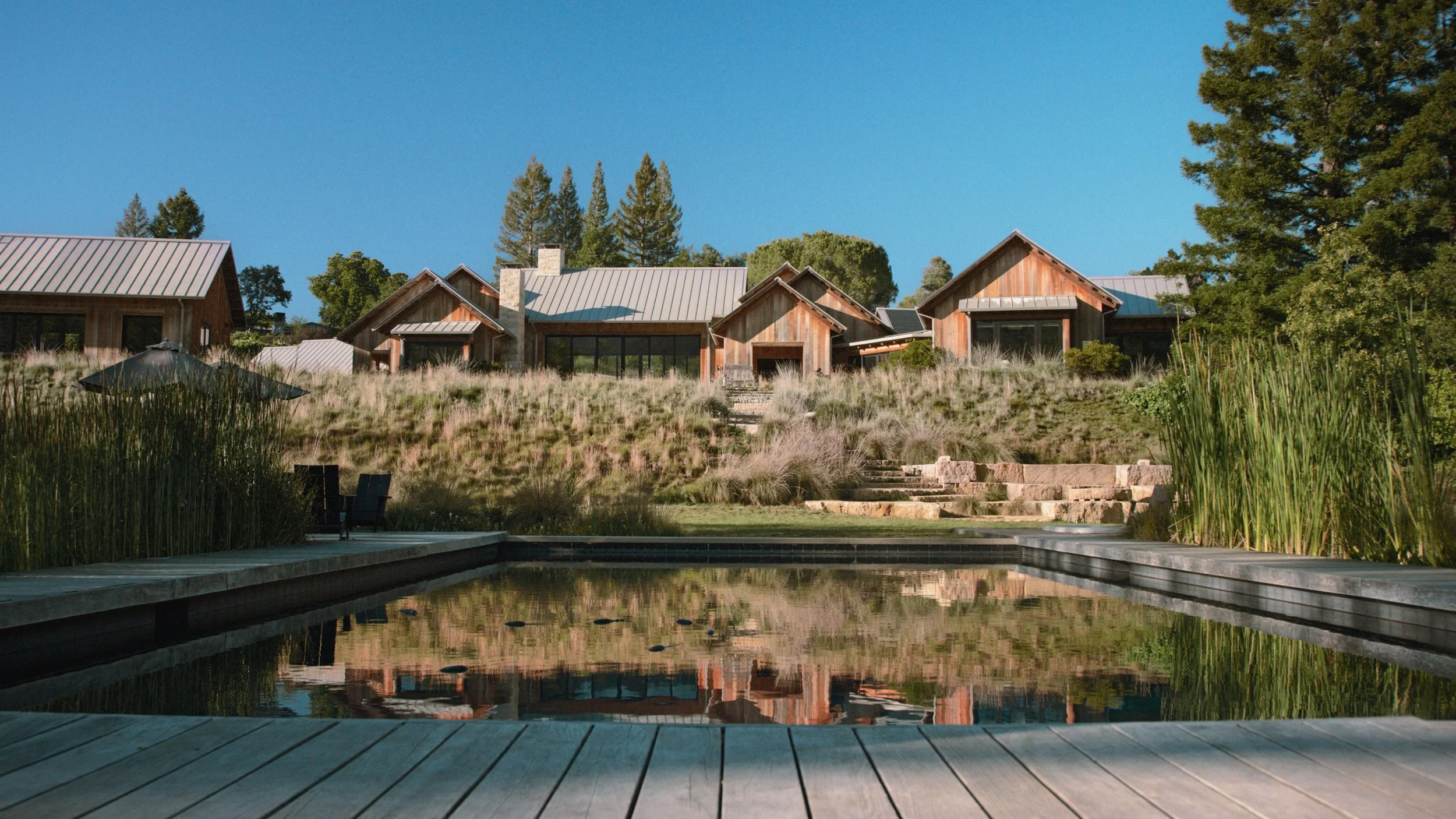
TAH mah lah
“Beyond sustainable, in an ideal world, every house would be environmentally regenerative, seamlessly integrating into its ecosystem, highly efficient, producing more energy than it consumed, restoring habitat, saving and repurposing water, reducing and reusing waste, reclaiming materials, eliminating its own and its occupants’ total carbon footprint (including transportation). We wanted our home to represent an exciting summary of what building green can amount to. Special care has been taken across every dimension of green building: energy, materials, water, and habitat. Every aspect of the creation of this house is intended to have a minimal environmental impact and hopes to have a restorative effect, while still providing an environment appropriate for our family and the broader community, organizations and functions we support.
In April 2006, we began the design process for the project by writing a set of themes that would define the house. We shared these themes, each of which is of equal importance, with our team to be used as guiding principles relevant to every idea, every design, and every decision. We feel as strongly about them today as we did then. Every designer, consultant, contractor, subcontractor and service provider who has joined the team has stayed true to these intents. It is the team members who have given these themes form, function and figure, and for that we are eternally grateful.”
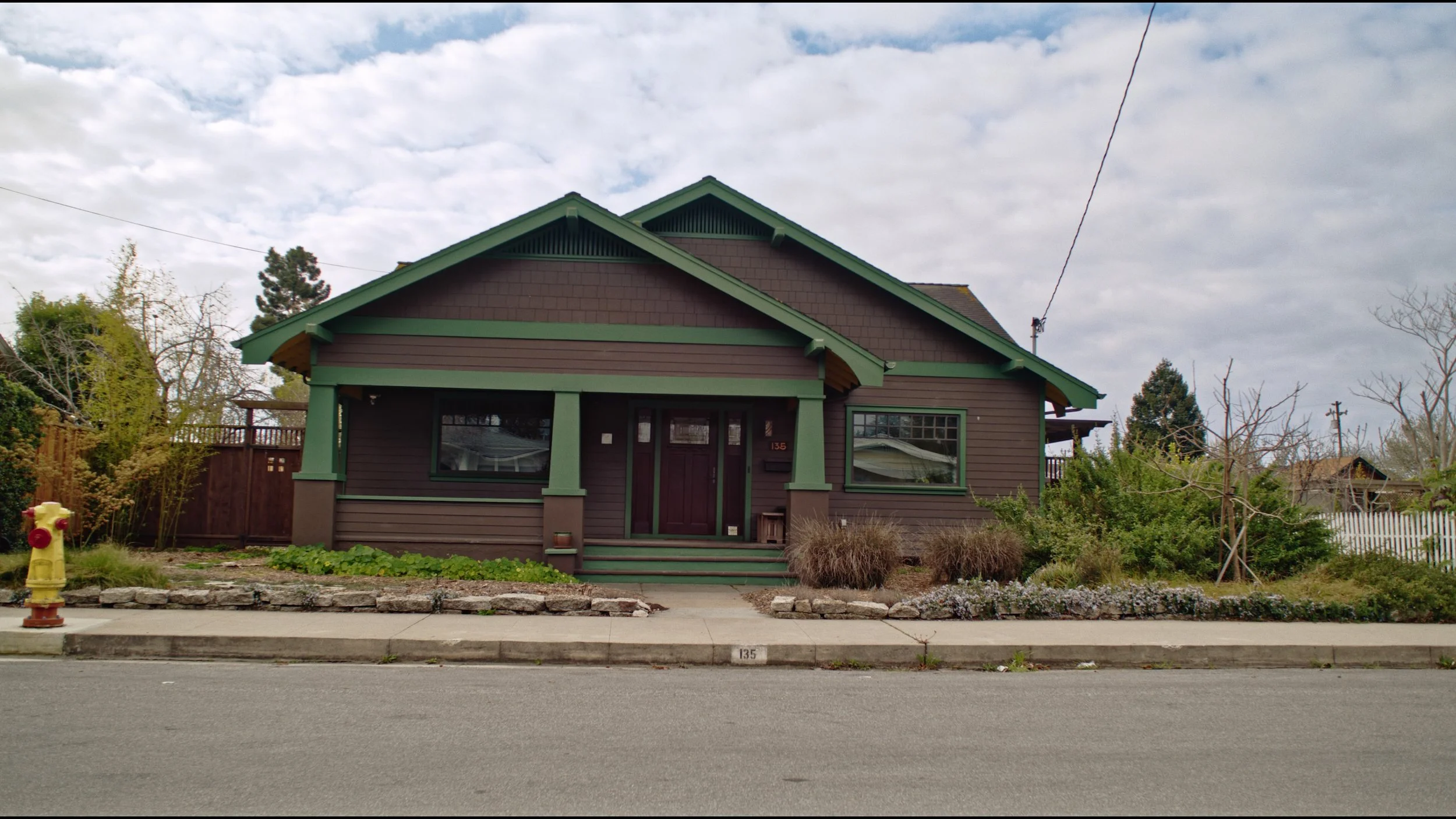
Midori
Midori Haus is an award winning house that demonstrates comfort and energy efficiency can coexist in an old house. Originally built in 1922, this classic California bungalow was retrofitted to meet the international building standard, Passivhaus, and reduced the energy use by 80%. Unique application of rainwater catchment system reduced the indoor water use by 625 gallons per month. Midori Haus received several awards and recognitions including Santa Cruz Green Building Award, Thousand Home Challenge, Passivhaus Certification, and Bay Friendly Landscape Certification.
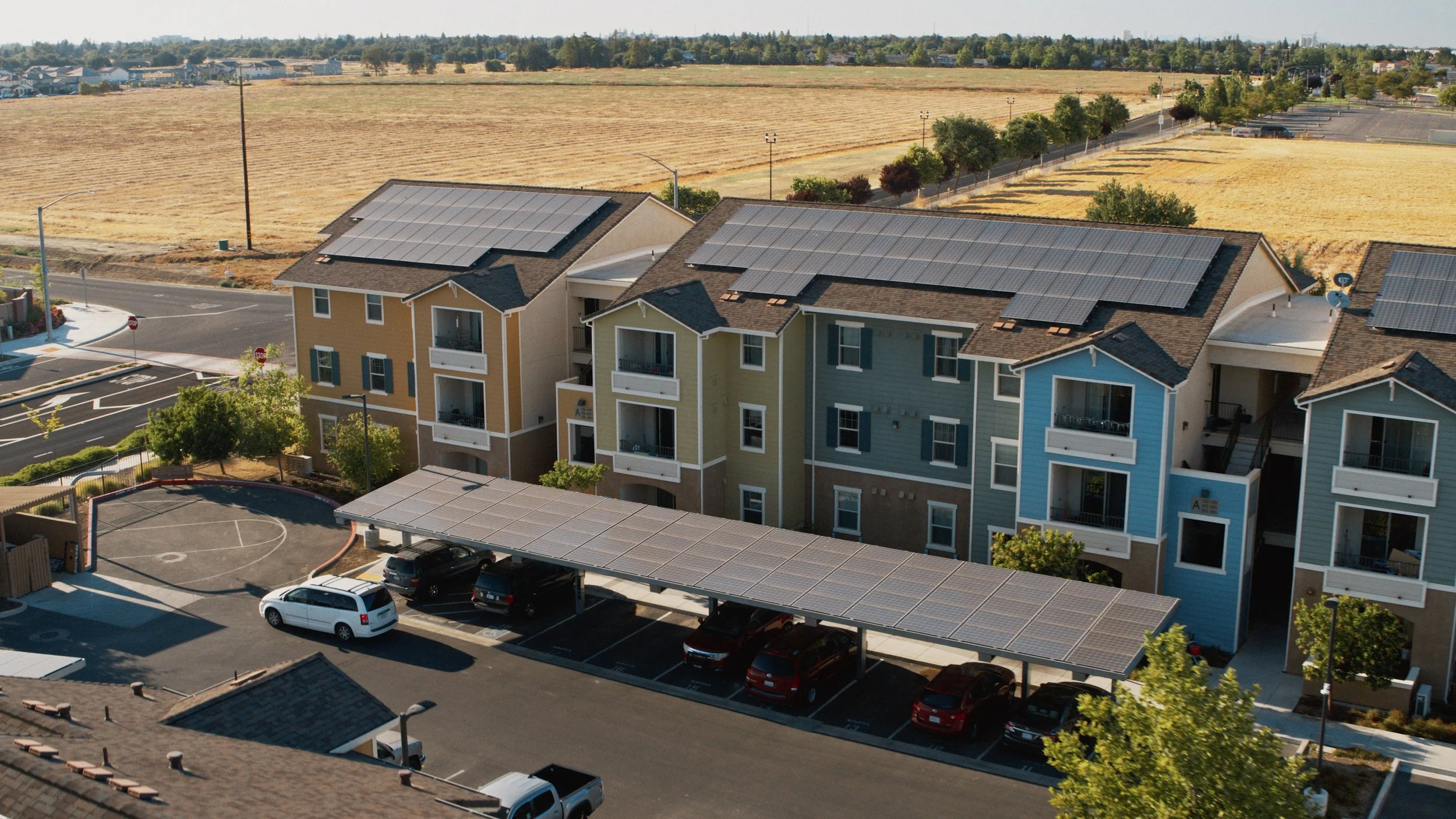
Spring Lake
The mission of Mutual Housing California is to develop, manage, and support sustainable housing where residents are partners in advancing equitable communities.
Mutual Housing offers a permanent solution to the housing needs of California's diverse families - with residents taking a key role in shaping their properties and developing programming through site-specific resident councils. These councils and issue-specific site committees provide leadership in the identification of resident and community needs and in raising resources to fill those needs. These include youth development programs, education and economic development resources, safety and security programs, and recreational facilities.
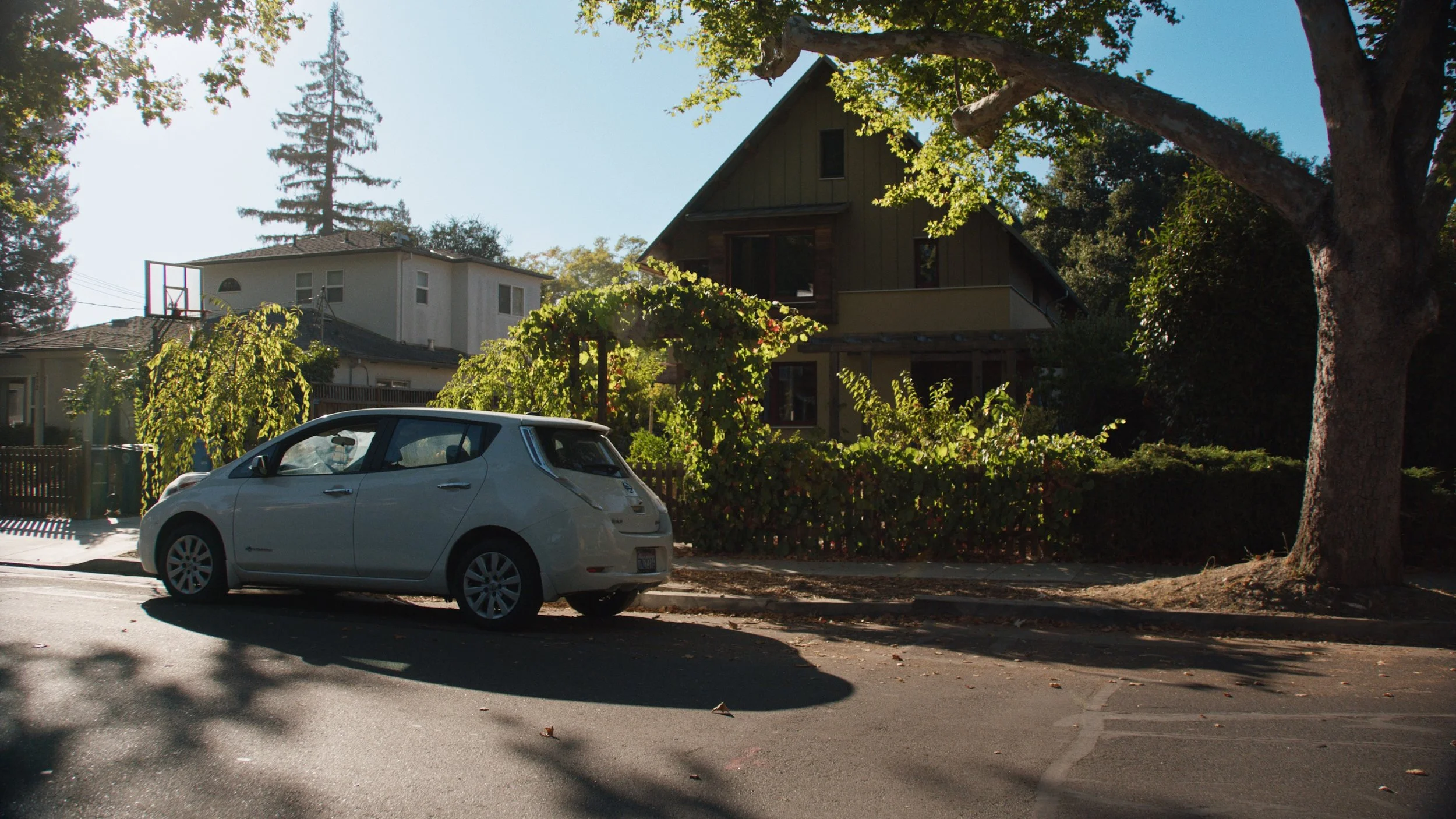
Project Green Home -
Thiesen House
Project Green Home is a beyond LEED Platinum, Zero Net-Energy, Passive House in Palo Alto, CA in 2010. It was built to be beautiful, comfortable and environmentally efficient at the same time. It was designed by Arkin Tilt Architects.